
If you live in a mobile or manufactured home, tell the pro before the visit. The wall panels, doors, floors and fixings are different from a block house, and the right materials make the difference between a repair that lasts and one that does not. For handyman Pembroke Park work, One Call Home Pros matches you with a vetted, insured local professional who takes on wall repairs, doors, trim, mounting, steps, skirting and the other small jobs on your list. The pro does the work. One Call arranges it, vets the pro and stays with the job until it is done.
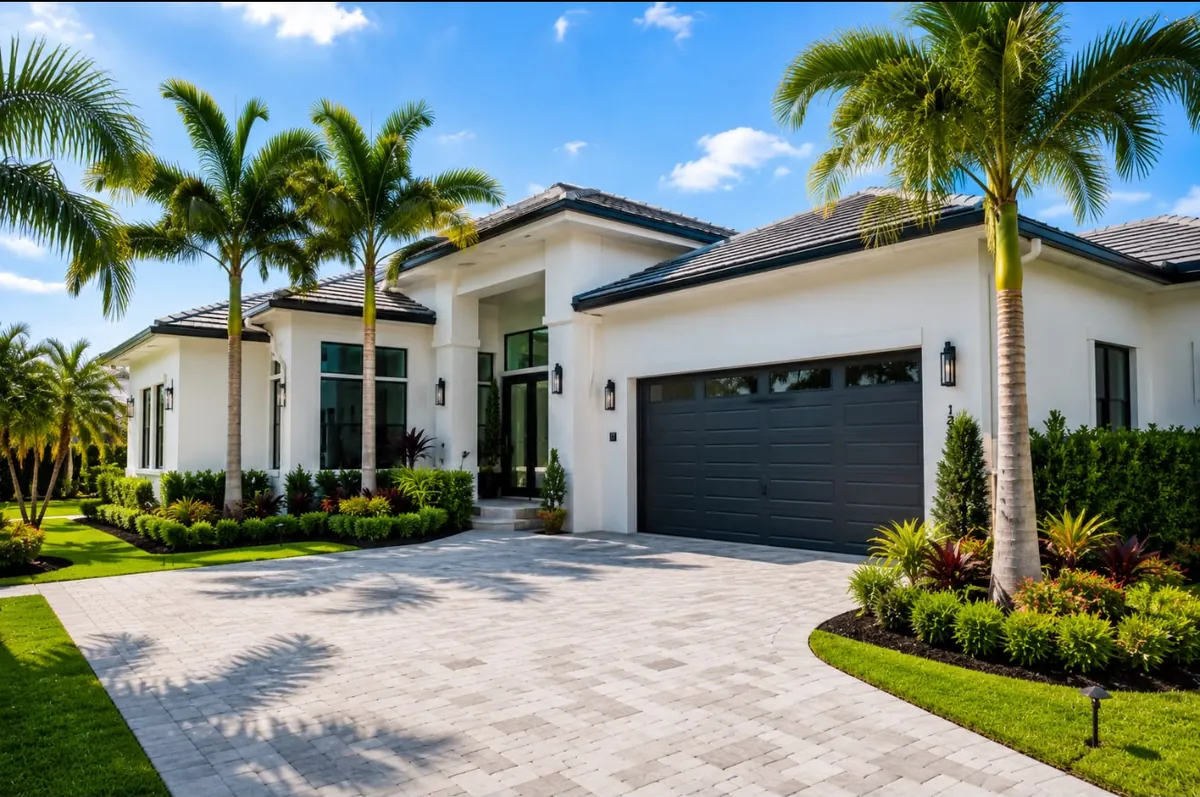
Why Pembroke Park homes need a handyman who knows the structure
Pembroke Park is one of the smaller towns in Broward County. Much of its land is industrial, and much of its housing is mobile and manufactured homes in residential parks, with a modest number of conventional houses alongside. The homes here are often a different kind of structure from those in the rest of the county.
That changes the work. A manufactured home has a steel chassis, a lighter frame, thinner wall panels and doors in sizes that do not always match a standard house. Many have add-ons built over the years: a carport, a screen room, wooden steps, a deck or a ramp. Skirting runs round the base to close in the space underneath.
Each of those parts needs repairs suited to it. Fixings that hold in block will pull out of a thin panel. A standard door may not fit the opening. And some work on a manufactured home, especially anything to do with how it is set up and tied down, is licensed work in its own right.
What a handyman Pembroke Park visit can take on
Wall panels and drywall
Holes, dents and loose panels repaired in manufactured homes, and drywall patched and finished in conventional houses.
Doors and locks
Interior and exterior doors that stick, drop or will not latch adjusted, with hinges, locks and strikes renewed.
Steps, decks and ramps
Loose treads, worn boards and wobbly railings on front steps, decks and access ramps repaired.
Skirting and vents
Loose or damaged skirting panels refixed or replaced, and vent covers renewed to keep pests out.
Mounting and shelving
Shelves, mirrors, televisions and grab bars fixed into the framing with fixings suited to the wall.
Small repairs list
Screens, cabinet doors, trim and the other odd jobs, gathered into one planned visit.
Walls in a manufactured home
Many manufactured homes have walls made of thin gypsum panels with a vinyl or paper finish already applied at the factory. The joints between panels are often covered with narrow strips, called battens, rather than taped and finished like drywall. Some newer homes have taped drywall instead.
The repair depends on which you have:
- Vinyl-faced panels. A small hole can be filled and touched up, but the vinyl finish is hard to match exactly. A badly damaged panel is often better replaced from batten to batten, with a matching or neutral panel.
- Loose panels. Panels can pull away from the studs when the home flexes. They are refixed with screws or adhesive into the studs and the battens refitted.
- Taped drywall. Patched, taped and finished in the usual way.
Mounting anything on these walls needs care. The panels are thinner than standard drywall and the studs can be more widely spaced, so anything heavier than a light frame should go into a stud. A heavy television or a full-height mirror may need a wall plate spread across more than one stud. Tell the pro what you want to hang and how heavy it is.
Doors that do not come in standard sizes
Interior doors in manufactured homes are often narrower or shorter than in a conventional house, and the frames are lighter. Exterior doors are often made specifically for manufactured homes, with an outswing design and a flange that fixes to the outside wall.
That matters in two ways. Replacement doors need to be measured carefully and sometimes ordered to size. And the lighter frames move, so doors drop, rub and stop latching as the home shifts slightly over time.
A pro can:
- Tighten and reset the hinges to bring a dropped door back into line.
- Adjust or move the strike so the latch catches.
- Fit a new interior door of the right size once it is measured.
- Replace the lockset, deadbolt and handles on an existing exterior door.
- Renew weatherstripping and the sweep, which matter more on a lightweight door.
A door that keeps going out of line, along with cracks appearing at the corners of several openings, can be a sign that the home is no longer level. That is a job for a licensed mobile home installer, not a handyman, and the doors should be adjusted after the home has been levelled.
Steps, decks and ramps
Most manufactured homes sit above the ground, so every entrance has steps. Many have a wooden deck or porch, and some have a ramp. These take sun, rain and heavy daily use.
Wooden steps loosen at the stringers, treads split, and railings work loose where they meet the posts. Decks lose boards to rot and their fixings rust. A pro can replace treads and boards, refix railings so they are firm, add a grab rail beside a step, and replace rotted posts and stringers where the damage is local.
For a ramp, the surface matters as much as the structure. A smooth, wet board is slippery. A pro can fit a grip surface or strips and make sure the handrails are secure the full length.
A brand new deck, a new ramp or a large rebuild usually needs a permit and may need park approval, and goes to a contractor. Repairs to what is already there are handyman work.
Skirting, vents and the space underneath
Skirting runs round the base of the home, closing in the space beneath it. It keeps out animals, reduces debris blowing underneath and finishes the look of the home. Panels crack, come loose from their rails and get knocked by mowers and bins.
A handyman can refix loose panels, replace broken ones, and replace vent covers so air can move but animals cannot get in. The access panel to the space under the home should open easily and close firmly, so a pro can reach the plumbing when needed.
What sits underneath is a different matter. The steel chassis, the piers, the tie-downs and the anchors that hold the home in place are the work of a licensed mobile home installer. Plumbing and drain lines underneath belong to a licensed plumber, and wiring to a licensed electrician. If you see sagging, a pier that has shifted or a strap that has come loose, mention it to One Call so the right licensed pro can look.
Carports, screen rooms and add-ons
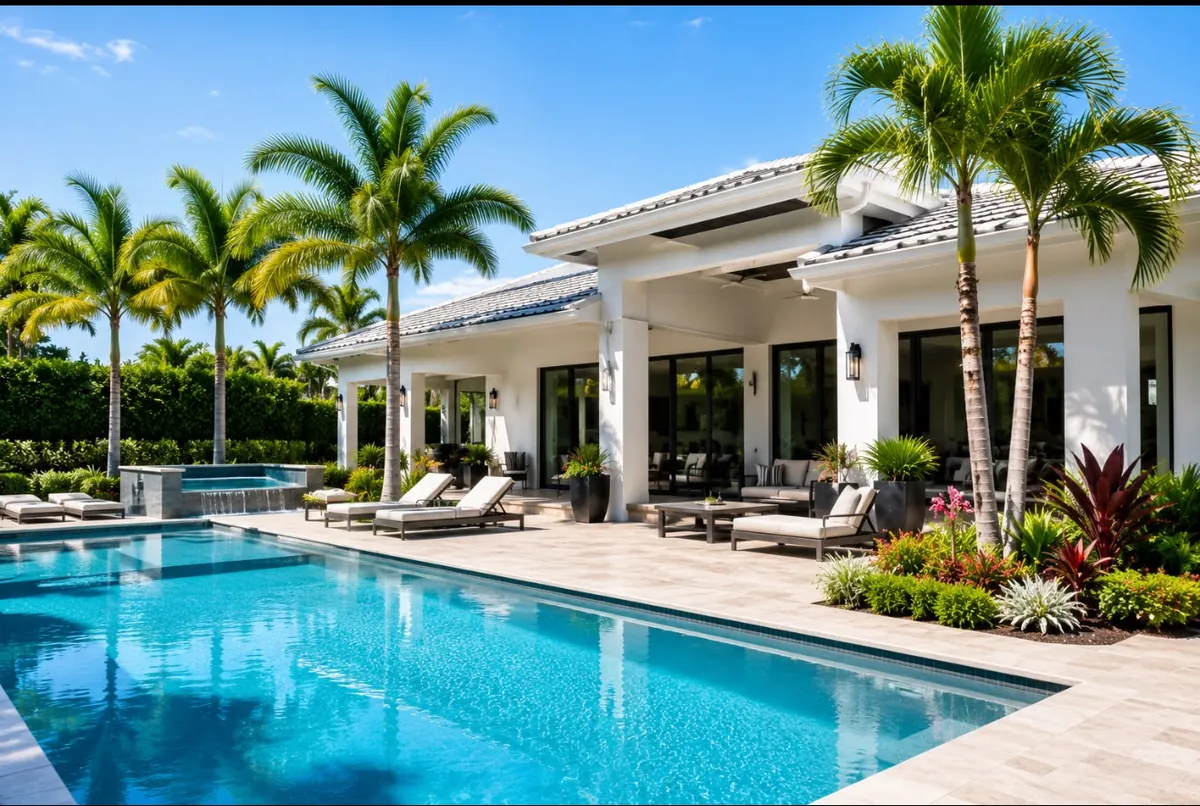
Many homes here have had aluminium carports, screen rooms or covered porches added over the years. They are useful, but they are also the parts most exposed to wind.
A handyman can rescreen torn panels, replace a screen door or its closer and latch, and tighten loose screws and fixings that are within reach. Anything to do with the structure of an aluminium room or carport, how it is attached to the home and whether it is anchored properly, needs a licensed contractor, and new additions usually need a permit and park approval.
Floors with a soft spot
A soft patch in the floor, often near a bathroom, the kitchen sink or a water heater closet, usually means water has reached the floor decking from a slow leak above or below. The leak must be found and fixed first, by a licensed plumber.
Once the leak is fixed, ask about the floor. A small damaged area may be repairable, while a larger area, or anything near the outer walls and the chassis, needs a contractor experienced with manufactured homes. Replacing the floor covering over a repaired section, such as a run of vinyl or a few tiles, can then be done. Until then, keep heavy furniture and appliances off the soft area, and do not cover it with a rug and forget it, as the damage spreads while the leak continues.
Working within park rules
Most residential parks have rules about work on the homes: when it can take place, where vehicles can park, which changes need approval, and whether contractors must show insurance before starting. Some also control the look of the outside, such as skirting colours and the style of steps.
Check the rules before you book anything outside, and tell One Call the name of the park and its management. One Call can send the pro’s insurance certificate and any approval paperwork to the community’s management or association for you.
Grab bars and making the home easier to use
Grab bars beside the toilet and in the shower, a sturdy rail at the front steps and lever handles in place of round knobs make a home easier and safer to use. In a manufactured home, grab bars must go into a stud or a solid backing plate, because the wall panels alone will not hold the load.
A pro can find the studs, add backing where needed and fit the bars at the right height. In a tub or shower surround made of fibreglass or acrylic, special fixings are needed so the surround does not crack. Any change to the plumbing, such as a handheld shower or a raised toilet, goes to a licensed plumber.
Cabinets, closets and built-ins
Cabinets in manufactured homes are often built from lighter materials than those in a conventional kitchen. Particleboard shelves sag, hinges pull out of thin doors, and drawer fronts come away from the boxes. Built-in closets have light sliding or bifold doors that leave their tracks.
A pro can refix hinges using larger screws or inserts that grip the board, add a support rail under a sagging shelf, reglue and pin a loose drawer front, and fit new rollers or guides to closet doors. Where a cabinet door is beyond saving, a replacement door can be cut to size. Swapping old knobs and pulls for new ones is a quick way to make a kitchen feel fresher.
If a cabinet base under the sink is swollen or stained, there is a leak. That goes to a licensed plumber first.
Before the storm season
Lightweight homes and aluminium add-ons are exposed in high wind, so preparation matters. A handyman Pembroke Park visit before the season can cover the small items:
- refixing loose skirting panels so the wind cannot get under them
- tightening screws on screen rooms and carport trim within reach
- securing steps and railings so they cannot shift
- securing shed doors and anchoring outdoor storage and shelving
- fitting new latches to gates and sheds
The tie-downs and anchors that hold the home itself down are critical in a storm, and only a licensed mobile home installer should check or adjust them. Shutters and storm panels for windows and doors usually need a permit and a licensed contractor. One Call arranges both separately.
Buying, selling or moving in
When a manufactured home changes hands, a short list of repairs often makes the difference to how it shows. Doors that latch, steps that feel solid, skirting that is complete, screens without tears and walls without holes all count. After a move in, there are locks to change, shelves and curtain rails to put up, and furniture to assemble and fix to the wall.
A handyman Pembroke Park visit can cover both. Changing the locks on every door when you move in is a sensible first job, and a lockset in the existing holes is straightforward. Check any park rules on exterior changes before work on the outside begins.
Conventional houses in town
Not every home here is manufactured. Conventional block houses have their own list, and it is the familiar one: interior doors that rub, drywall cracks and holes, loose baseboards, cabinet hinges, shelves and mounting into block and studs, and outside items such as gates and screens. Each is handled as it would be anywhere else, with the right fixings for block and drywall.
A conventional house also has fewer surprises in its walls. Interior partitions are usually studs and standard drywall, so patches are taped and finished to disappear, and shelves and screens can carry more weight once they are fixed into the framing. Outside walls of block take masonry anchors that hold very well. If your house sits next to commercial or industrial premises, dust and vibration can mean screens, door seals and caulk lines wear sooner, and they are worth checking each year.
What goes to a licensed professional
Handyman work in Florida is limited to minor, non-structural repairs; there is no state handyman licence. On a manufactured home, several items need a specific licence:
- Levelling, piers, tie-downs and anchors need a licensed mobile home installer.
- Electrical work, from outlets and light fixtures to anything in the panel, goes to a licensed electrician.
- Plumbing, including water heaters, faucets, toilets and the lines underneath, goes to a licensed plumber.
- AC units and ducts go to a licensed HVAC professional.
- Roof leaks and roof coatings go to a licensed roofer.
- New decks, carports, screen rooms and exterior door or window replacements usually need a permit and a licensed contractor.
Add them to the list anyway. One Call separates the handyman items and books each licensed one with a professional in the right trade.
From your call to a finished job
Call One Call or use the quote page. Tell us whether the home is manufactured or conventional, which park it is in if any, and what is on your list. Photos of each item help, along with measurements of any door that needs replacing.
One Call matches the handyman items with a vetted, insured local pro, and any licensed work with the right trade. If the park needs paperwork, One Call sends it. Before the visit, you agree the scope and the cost with One Call; ask what is included, such as materials and taking away old parts.
The pro works through the list and shows you the finished items. You pay One Call, and One Call pays the pro. If a repair does not hold, call One Call and it is looked at again.
Nearby, the same service runs as handyman work in West Park and handyman service in Hallandale Beach. The handyman service page covers the trade in more detail.
Questions from Pembroke Park
Can a handyman Pembroke Park pro work on a mobile home?
Yes, for minor repairs: wall panels, interior doors, locks, steps, decks, skirting, screens and mounting. Levelling and tie-downs need a licensed mobile home installer.
Why does my door keep sticking even after it is adjusted?
The home may have moved out of level. If several doors stick and cracks appear at the corners of openings, a licensed mobile home installer should check the home first, then the doors can be adjusted.
Can a handyman hang a television on a manufactured home wall?
Yes, if it goes into the studs. The wall panels are thin, so a heavier screen may need a plate spread across more than one stud.
Does the park need to approve the work?
Often, for anything outside such as steps, skirting or a deck. Check the rules first. One Call can send the pro’s insurance certificate and the approval paperwork for you.
Send the list for your home
Manufactured or conventional, send your list and photos to One Call. A vetted local pro handles the handyman work, and licensed work goes to the right trade.