
Before you book anything, look at what the house is made of. An older house with plaster walls and wood frames needs different repairs from a townhome built in the last few years, and salt air near the water adds its own wear to both. For handyman Dania Beach work, One Call Home Pros matches you with a vetted, insured local professional suited to the house: patching walls, freeing and rehanging doors, replacing corroded hardware, mounting and working through the rest of the list. The pro does the repairs. One Call arranges them, checks the pro and stays with the job to the end.
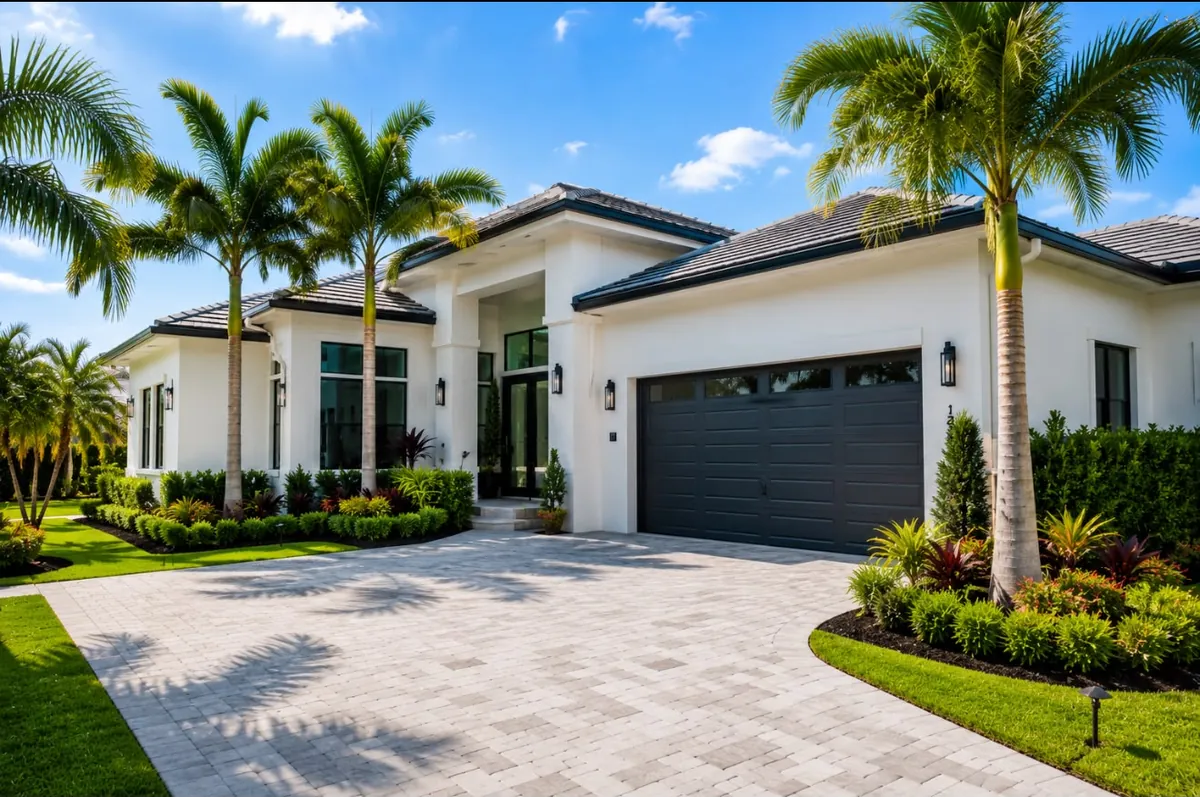
Why Dania Beach homes need a handyman who reads the house first
Dania Beach is old Broward. Its historic core holds houses from the early and middle decades of the last century, along with the small-scale commercial streets that grew up around them. Along the water, the marine industry still works the banks, and new development keeps pushing in, so a single street can hold an older cottage, a mid-century block house and a recent townhome side by side.
Each of those houses ages differently. Older homes have plaster, solid wood doors, wood frames that have moved over the decades and many layers of paint. Newer ones have drywall, lighter doors and builder hardware. Near the Intracoastal, salt in the air attacks every exposed piece of metal, from door hinges to gate latches to the screws holding up a mailbox.
A good handyman visit starts by working out which of these you have, then brings the right materials for it.
Handyman Dania Beach repairs, inside and out
Plaster and drywall
Cracks and holes in older plaster walls repaired to match, and dents, holes and seams in drywall finished smooth.
Doors in older frames
Doors painted shut, swollen or out of square freed, planed and rehung, with old locks and hinges renewed.
Salt-resistant hardware
Rusted hinges, screws, latches and brackets replaced with stainless or coated hardware that lasts near the water.
Trim and wood repair
Soft or split wood on sills, trim and door frames repaired or replaced in short sections.
Screens, gates and fences
Screens rescreened, gates rehung and latched, and a few boards or pickets replaced in an existing fence.
Mounting and shelving
Televisions, mirrors and shelves fixed into block, plaster or studs with the right anchor for each.
Plaster walls in the older houses
Many of the earliest houses here have plaster rather than drywall: plaster applied straight onto block on outside walls, and sometimes plaster on wood lath inside. Plaster is hard and durable, but it cracks as a house moves, and it does not repair the same way as drywall.
A crack in plaster is opened slightly, filled with a compound that bonds to the old surface, and finished flush. A loose area, where plaster has come away from the lath behind it, can often be reattached rather than removed. A hole is built up in layers. Drywall patches can be used in larger damaged areas, but the edges need careful skimming so the patch does not show.
Plaster can hide surprises. Very old finishes may contain lead in the paint, and some old textures used materials that need testing before they are sanded or cut. If the house is one of the older ones and the work involves sanding old paint or breaking into an old ceiling texture, ask about testing first. The pro will tell you if what they see needs a specialist.
Doors that have been in the frame for decades
Doors in older houses are often solid wood, heavy and well made. The trouble is usually the frame around them. As the house settles, frames go out of square. Layers of paint thicken the edges until the door binds. Hinges sag under the weight. Old mortise locks wear out and parts become hard to find.
Typical fixes:
- Cut through the paint at the edges and free a door that has been painted shut.
- Tighten or replace the hinges, often with longer screws into solid wood.
- Plane the edge that binds, then seal the bare wood so it does not swell again.
- Move or reshape the strike so the latch catches.
- Repair or replace an old mortise lock, or fit a modern lockset where the old one cannot be saved.
A door with real character is worth saving. A door that is split, rotted or badly warped is usually better replaced. An interior door can be hung by a handyman; replacing an exterior door or its frame needs a permit and a licensed contractor in Florida, and One Call arranges that separately.

What salt air does to metal
Near the Intracoastal, salt carried on the wind settles on every exposed surface. Ordinary steel hardware rusts quickly, and once rust starts, it spreads. Hinges stiffen and stain the paint around them. Screw heads swell and snap. Gate latches seize. Mailbox posts rust through at the base.
The cure is to replace the problem hardware with metal that suits the coast:
- stainless steel hinges, screws and latches on exterior doors and gates
- coated or stainless fixings for anything screwed to the outside of the house
- outdoor-rated mounts and brackets for anything hung on a porch or lanai
- brass or stainless strike plates and kick plates where steel has failed
A handyman Dania Beach visit can go round the outside of the house replacing rusted hardware in one pass. Between visits, a rinse with fresh water every so often slows the salt down, and a little lubricant on hinges and latches keeps them moving.
Rust bleeding through stucco or concrete is a different problem. It can mean steel inside the wall or a balcony is corroding, and that needs a licensed contractor or engineer to inspect it.
Wood that has gone soft
Wood sills, door frames and exterior trim on older houses take years of sun, rain and humidity. Paint fails first, then water gets into the grain, and the wood softens. A screwdriver pushed into the wood will sink in where it has rotted.
Small areas can be cut out and replaced with a new piece, or consolidated and filled with an exterior wood filler, then primed and painted. A long section of rotted frame around a door may need the frame replaced, and if the door is an exterior one, that falls under permitted work for a licensed contractor.
Wood that is soft and hollow, or shows tunnels or small piles of pellets nearby, may have insects rather than rot. A pest control company should inspect that before any repair, so the new wood is not attacked too.
Newer townhomes and infill houses
Alongside the older stock, Dania Beach has a steady stream of new building: townhomes, small developments and single houses on infill lots. Their handyman lists look different.
New houses settle in their first years, and the drywall shows it with nail pops, hairline cracks above doors and gaps opening in caulk lines. Hollow interior doors need stops fitting before the handles mark the walls. Builder hardware is light, and the first set of handles and hinges can loosen early. Closets usually come with basic wire shelving that benefits from proper fixing or replacement.
Townhomes add stairs to the list. Handrails that wobble, balusters that have worked loose and treads that creak are common in the first years as the framing settles. A pro can refix rails into solid blocking, tighten balusters and quieten a creaking tread from above. A stair gate for a small child should be screwed to the wall or the newel post, never held by pressure alone at the top of a flight.
Many newer developments have associations with rules on exterior changes, insurance certificates and working hours. One Call can send the pro’s insurance certificate and any approval paperwork to the association for you.
Mounting on block, plaster and studs
Three wall types can turn up in a single neighbourhood here, sometimes in the same house after an addition:
- Block walls need masonry bits and masonry anchors, and are very strong once fixed.
- Plaster on lath needs care, as drilling can crack the plaster around the hole. The pro uses a sharp bit, slow speed and anchors designed for plaster, or finds the studs behind.
- Drywall on studs carries heavy loads only at the studs, so a detector is used and anything heavy goes into the framing.
Tell the pro what you are hanging and how much it weighs. If a screen needs a new outlet behind it, or cables run inside the wall, that part is for a licensed electrician.
Screens, gates and the outside of the house
Salt and sun are hard on screens too. Mesh goes brittle and tears, and aluminium frames corrode at the corners. A pro can rescreen the frames you have, or replace bent and corroded frames. Screen doors get new hinges, closers and latches in materials that suit the coast.
Gates and short runs of fence follow the same pattern: a sagging gate is rehung with stronger hinges and braced, a seized latch is replaced, and broken pickets or boards are swapped. Rusted fence fixings are replaced with stainless or coated ones.
A new fence, a fence on a different line, or a gate that must meet pool barrier rules should be checked against the city’s requirements, and a large new fence goes to a fencing contractor.

Undoing old repairs
A house that has stood for decades has usually been through several owners, and each one left a mark. Some earlier repairs were done well. Others were quick fixes: a door held shut with a hook and eye because the latch never worked, a crack filled with caulk instead of compound, shelves held up with screws driven straight into plaster, a hollow door hung in place of a solid one with the gap packed with wood.
Part of a handyman Dania Beach visit on an older house is taking those fixes out and doing the job properly. That can mean resetting a strike so the latch works and the hook can go, cutting out caulk from a crack and taping it, or moving shelves onto proper fixings. It is worth pointing out any repair you are unsure about, so the pro can look behind it.
Some old fixes hide bigger issues. Fresh paint over a stain, a patch over a soft spot in a wall, or a piece of trim covering a gap at the floor can point to water or movement. If the pro opens one up and finds more than a cosmetic problem, One Call can bring in the right licensed trade.
Kitchens and bathrooms with some history
Older kitchens and bathrooms often have original tile, solid wood cabinets and fixtures that have been replaced more than once. The handyman jobs here are mostly about keeping water where it belongs and making things work smoothly again:
- regrouting small areas of old tile where the grout has cracked or washed out
- cutting out tired caulk around tubs, showers and counters and running a new bead
- adjusting or replacing cabinet hinges, and rebuilding a sagging drawer
- refixing towel bars and accessories into the block or a stud
- replacing a loose or cracked tile when a matching one is available
Old tile can be hard to match. Keep any spares you find in the garage or a cupboard, as they are often the only exact match. Anything to do with the water supply or drain, from a dripping tap to a leak below the sink, goes to a licensed plumber.
Before the storm season on the coast
Being close to the water means more wind and more salt. Before the season, walk round the house and the yard:
- check that gates latch firmly and fit a stop so they cannot swing
- replace rusted brackets holding anything to the outside of the house
- refix loose trim, screen frames and downpipe straps
- secure outdoor shelving, benches and storage
Shutters, impact windows and impact doors need a permit and a licensed contractor, and roof work goes to a licensed roofer. One Call arranges those separately if they are on your list.
Near the water: where the handyman stops
Waterfront properties along the Intracoastal and the canals bring their own items: docks, seawalls, boat lifts and dock boxes. Most of that is marine construction and needs a licensed marine contractor and, often, permits. A handyman can help with the house side of the waterfront: replacing rusted hardware on a gate down to the dock, refixing a hose reel or a bench, and fitting new hooks and racks in a storage shed.
If your list includes the dock or the seawall, mention it anyway. One Call can tell you whether it can be arranged and with whom.
What needs a licensed trade
Handyman work in Florida is limited to small repairs that are not structural and do not need a permit; there is no state handyman licence. On an older house in particular, several items cross into licensed work:
- Old wiring, outlets, switches, light fixtures and fans go to a licensed electrician. Older wiring especially should be looked at by one.
- Faucets, toilets, old galvanised or cast iron pipes and leaks go to a licensed plumber.
- AC units, ducts and thermostats go to a licensed HVAC professional.
- Gas appliances and lines go to a licensed gas professional.
- Roof leaks go to a licensed roofer.
- Exterior doors, windows, shutters, structural repairs and corroded concrete need a licensed contractor and usually a permit.
Leave them on the list. One Call sorts the handyman work from the licensed work and arranges each with the right professional. For larger jobs, financing is available; ask about it when you call.
From your call to a finished list
- Call One Call or use the quote page. Say roughly when the house was built and whether it is near the water.
- Send the list with photos, including the walls and doors that need work and any rusted hardware.
- One Call matches the handyman work with a vetted, insured local pro, and anything licensed with the right trade.
- You agree the scope and the cost before the visit. Ask what the cost covers, including materials such as stainless hardware.
- The pro works through the list and shows you the finished items.
- You pay One Call, and One Call pays the pro. If a repair fails, call One Call and it is followed up.
The same service runs as handyman work in Hollywood and handyman service in Fort Lauderdale. For the trade in general, see the handyman service page.
Questions from Dania Beach
Can a handyman Dania Beach pro repair plaster walls?
Yes, for cracks, holes and loose areas of plaster in an older house. Larger damaged areas may be patched with drywall and skimmed so the patch does not show.
Why do my door hinges keep rusting?
Salt in the air near the water corrodes ordinary steel. Replacing hinges, screws and latches with stainless or coated hardware stops the problem coming back.
Can a handyman fix my dock or seawall?
No. Docks and seawalls are marine construction for a licensed marine contractor. A handyman can deal with hardware and fittings on the house side.
My front door frame is rotten. Can the handyman replace it?
Small areas of rot can be repaired. Replacing an exterior door frame needs a permit and a licensed contractor, which One Call arranges separately.
Tell One Call what the house is made of
Old or new, near the water or not, send your list and photos to One Call. A vetted local pro handles the handyman work, and anything licensed goes to the right trade.