
If the outlets on your dock or seawall have tripped their GFCI and will not reset, leave them off and keep everyone out of the water near the dock until someone has looked. Ground faults near water are the one electrical problem that should never be worked around. For electrical in Lighthouse Point, One Call Home Pros connects you with a licensed electrician who is used to waterfront homes. We are not an electrical contractor and the licence is never ours. You tell us what is wrong and where on the property it is, and we match you with a vetted local professional who is licensed and insured for the work, then stay with the job until it is finished.
Why Lighthouse Point homes need electrical work built for the water
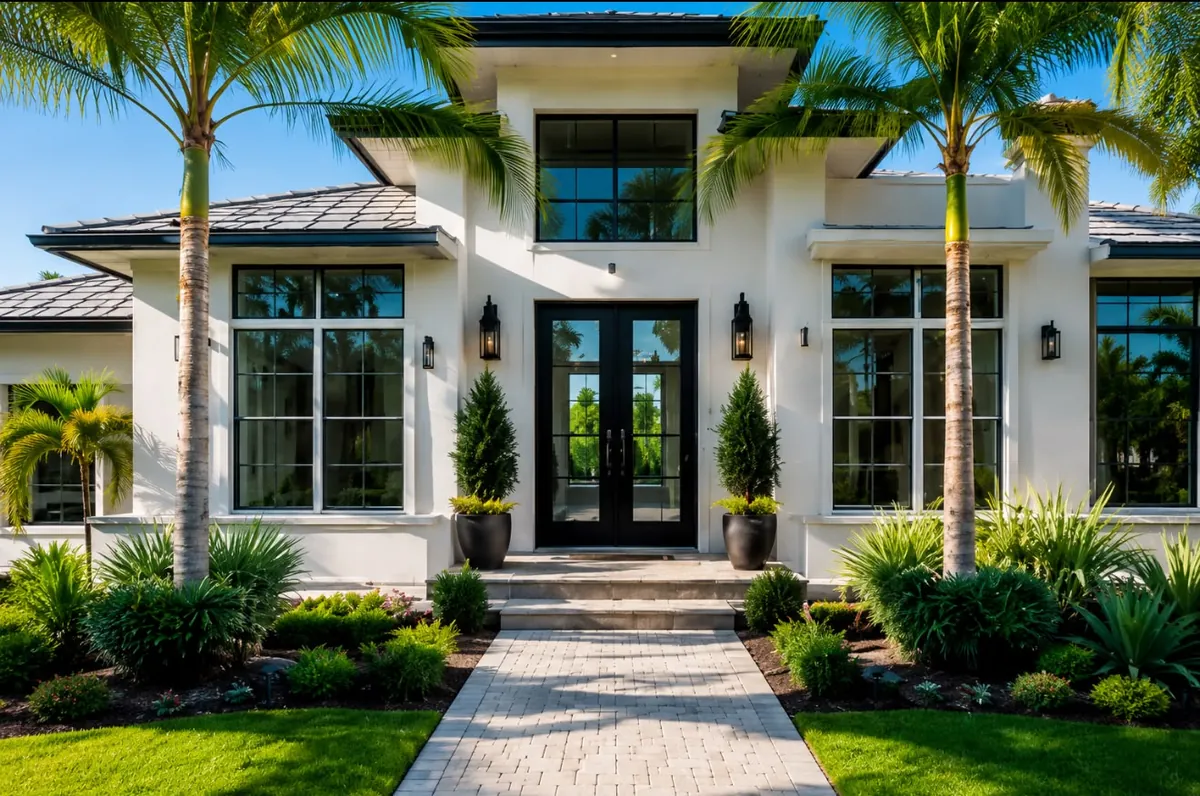
Lighthouse Point is small and almost entirely single-family, and nearly every street backs onto a canal or the Intracoastal. That shapes the electrical picture more than anything else. Salt air reaches every exterior fixture, every outdoor panel and every disconnect. Docks, boat lifts, seawall lights and pool equipment all put power close to water.
The houses themselves tend to carry more than the county average. Larger air conditioning systems, pools and spas, outdoor kitchens, landscape lighting, lighting control systems, multiple car chargers and home offices all draw on the same service. Many houses have been remodelled or rebuilt over the years, so a single street may hold an original ranch with its first panel and a new build with a large modern service.
Higher-end fixtures and systems deserve care that matches them. A replacement part should be as good as what it replaces, and work near the water should be done to the standard the location demands.
The scope of electrical in Lighthouse Point
From the panel to the end of the dock, these are the jobs a waterfront property brings.
Docks and seawalls
Power along the dock, seawall lighting and outlets, and ground fault protection where it matters most.
Panels and service size
Breakers that trip, panels that have run out of space, and services sized for a smaller house than the one that stands there now.
Outlets and GFCI
Dead and warm outlets, and ground fault protection in kitchens, bathrooms, lanais, pool areas and anywhere outdoors.
Lighting and controls
Landscape and accent lighting, recessed lighting, dimmers, and fixtures rated for salt and spray.
Fans indoors and out
Fans on lanais, patios and boathouses, rated for wet locations and finished to resist corrosion.
Chargers and surge protection
Car charger circuits for one or more vehicles, and surge protection for a house full of electronics.
Power on the dock
A private dock may carry outlets, lighting along the walkway, power to a boat lift and, on some properties, a pedestal for shore power. All of it sits a few feet above salt water, in full sun, and is soaked by spray and rain. Corrosion works faster here than anywhere else on the property.
Electricity and water together are dangerous to anyone in the water nearby. Faulty wiring on a dock can leak current into the water around it, and a swimmer may not see or feel any warning before it is too late. That is why ground fault protection on dock circuits is required, why it should be tested regularly, and why a GFCI that trips and will not reset is a reason to keep people out of the water near the dock until the cause is found.
The boat lift’s own motor, gearbox and cables are the work of a marine or lift contractor. The circuit feeding it, its disconnect and its protection are electrical work. If the lift will not run, tell us whether the breaker has tripped, whether the switch has power, and what the lift does when you try it. Some problems need both trades, and we can help you work out which comes first.
Seawall and landscape lighting
Seawall lights, path lights, uplights on palms and lighting around the pool make a waterfront garden usable after dark. Low-voltage landscape systems run from a transformer, usually mounted on an outside wall or a post, with cable buried along the beds. When a whole run goes dark, the cause is often the transformer, its timer or photocell, or a cable cut by a landscaper. When single lights fail, it is usually the fixture or its connection, which salt and irrigation water attack.
Line-voltage lighting on the seawall or the dock is different. It runs on the house’s own circuits, needs wet-location fixtures and ground fault protection, and should be wired by a licensed pro. Brass, copper and marine-grade stainless fixtures hold up far better in salt air than painted aluminium.
Panels and the size of the service
Many houses in the city have grown. An addition, a pool and spa, an outdoor kitchen, a larger AC system, a wine room, a home office and a car charger can all arrive over the years, each adding load. The main panel and the service from the utility may still be the size they were when the house had none of it.
A pro can calculate the load the house actually carries and compare it with the service. If there is room, a new circuit may be all that is needed. If not, the options are a larger panel, a larger service from the utility, or a subpanel to serve a part of the house or the outdoor area. Those are larger jobs with a permit, an inspection and coordination with the utility, all handled by the licensed pro. Financing is available for bigger electrical work; ask about it when you call.
Older panels deserve a look too. A house that has been remodelled around its original panel may still have breakers from a make with a poor record, or a panel with rust inside from years of humid air. Replacing it while other work is under way often makes sense.
Original houses on the canals
Alongside the rebuilt and remodelled houses, many streets still have homes from the city’s first decades of building, much of it from the 1950s through the 1970s. Their wiring has lived through decades of humid salt air. In those houses, the pro often finds original two-slot outlets with no ground, cloth or early plastic insulation in the attic, splices hidden behind fixtures, and in houses from around the early 1970s, possibly solid aluminium branch circuits that need special connectors at every outlet and switch.
If you have bought one of these houses to renovate, have the electrical system assessed before the walls are closed again. Running new circuits while the drywall is open costs far less than chasing them in later. If you plan to keep the house much as it is, a pro can tell you which faults matter now and which can wait.
Home offices and electronics
Many houses now hold a home office with computers, monitors, a network rack and a printer, often on a bedroom circuit shared with a window unit or a space heater. Flickering screens, routers that drop out and breakers that trip during calls are signs the office needs its own circuit. A dedicated circuit, good grounding and surge protection at the office are worth it if you work from home. A pro can also check that the network and the AC are not sharing a circuit that trips every time the compressor starts.
Outdoor panels, meters and disconnects
On many waterfront houses, the meter, the main disconnect, the AC disconnects and the pool equipment panel are all outside, often on the side of the house that catches the most wind. Salt air corrodes the screws, hinges and covers first, and then the parts inside. A cover that will not close, a disconnect handle that is stiff or a rust stain running down the wall below the panel are signs that water and salt are getting in.
Replacing a corroded disconnect or enclosure with one rated for corrosive locations lasts much longer. Do not open a meter enclosure yourself; that belongs to the utility. If the meter base is the problem, the pro can advise on what is needed and work with the utility.
Pools, spas and outdoor kitchens
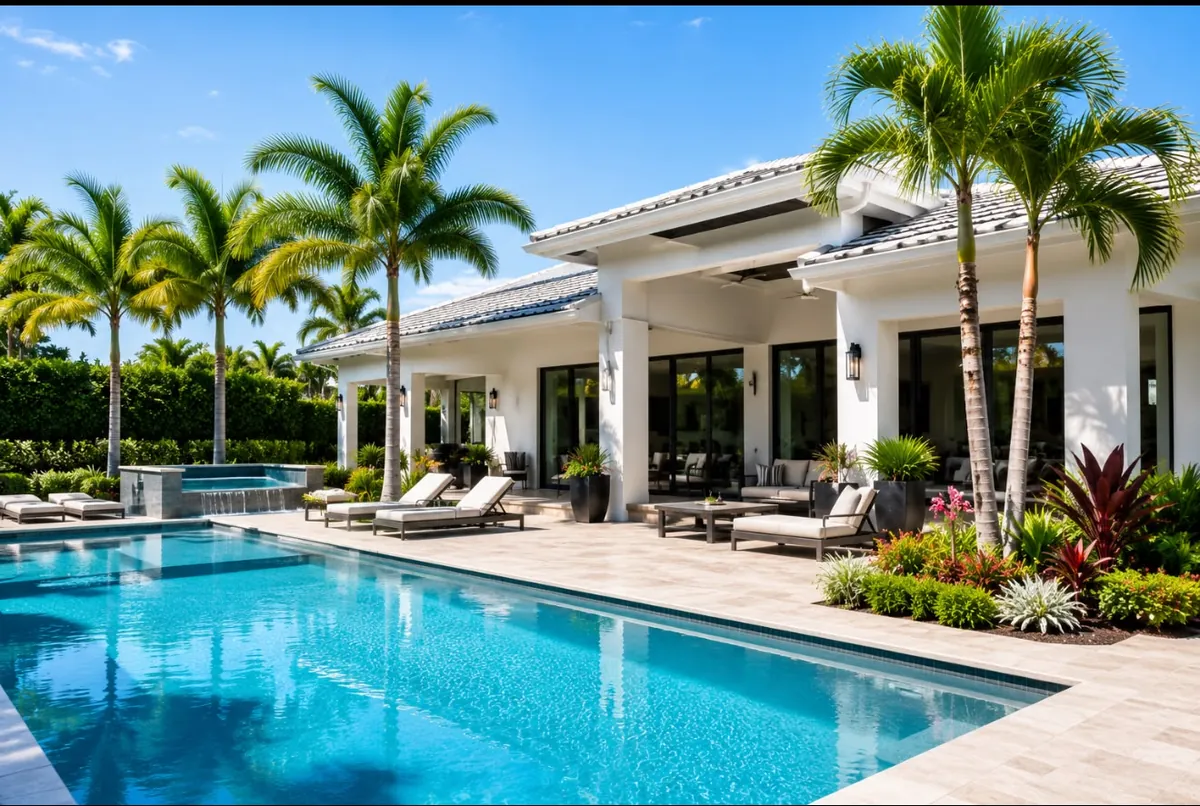
Pool and spa equipment brings pumps, heaters, lights, automation panels and sometimes a salt chlorine generator, all on their own circuits, all close to water. That work is tightly regulated: everything metal near the pool has to be bonded together, and lights and outlets need ground fault protection. A pool light that has gone dark, a pump breaker that trips, or a tingle in the water are all reasons to stop using the pool and call.
Outdoor kitchens add refrigerators, grills with igniters, ice makers and outlets on the counter, often under a roof but still exposed to weather. Each should be on circuits with ground fault protection and fittings rated for outdoor use. If something trips whenever it rains, the fault is usually water in a box or a fitting.
High-end fixtures and controls
Houses here often have lighting control systems, smart switches, scene keypads and motorised shades, alongside imported fixtures and chandeliers. When those stop working, the cause may be the device, its programming, or the wiring and power behind it. A licensed electrician deals with the wiring, the power and the devices on the wall. The control system’s programming may need the company that installed it.
When you call about electrical in Lighthouse Point for a lighting or control fault, tell us the make of the system if you know it, and whether it was installed by a separate company. That helps us send the right pro and saves a second visit.
Fans on lanais and boathouses
Ceiling fans run most of the year on covered lanais, in pool houses and in boathouses. Indoors, a fan needs a box rated for its weight and motion. Outside, it needs a wet or damp rating, and on the water a finish that stands up to salt. Blades warp, finishes pit, and motors seize when a fan meant for indoors is used outdoors. If a fan wobbles, hums or has rusted at the mount, have it taken down and checked.
Car chargers for more than one car
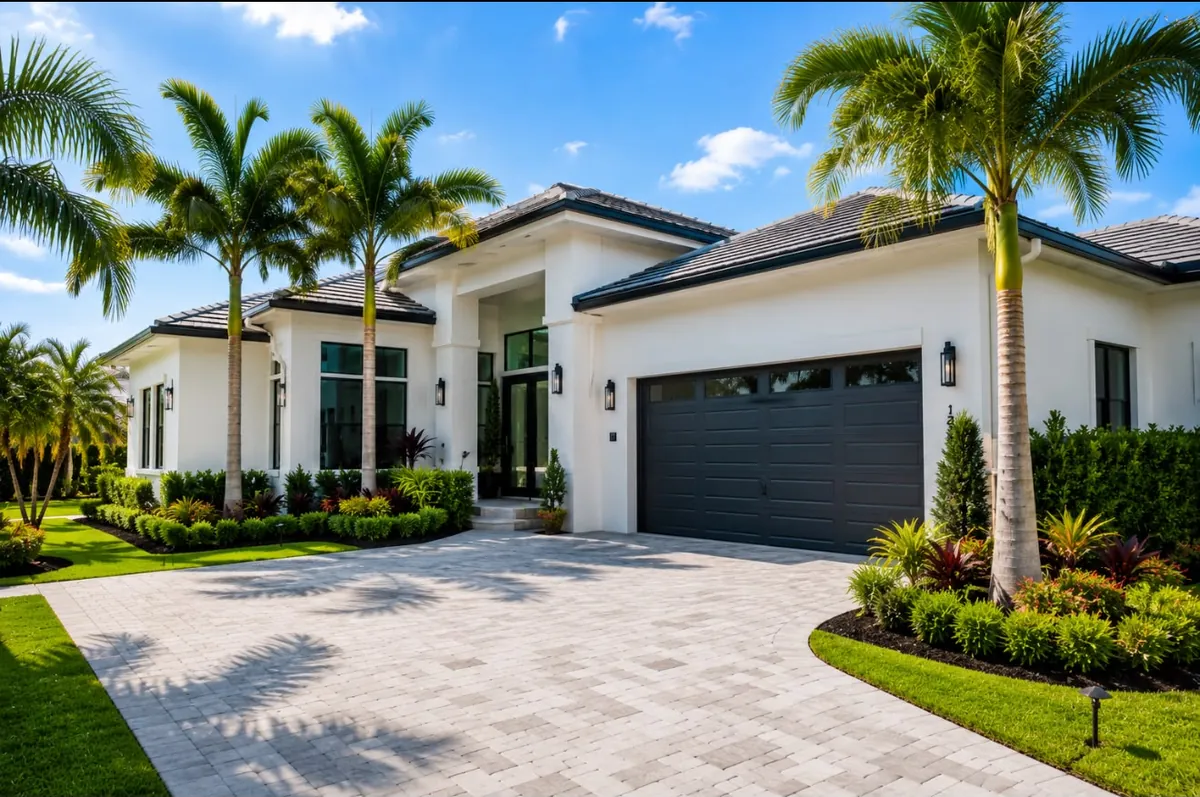
A house with two or three vehicles may want two chargers, or one with power sharing. Each charger needs a dedicated circuit, and together they can add a large load to the panel, especially in the evening when the AC, the pool equipment and the kitchen are running. The pro looks at the whole picture before advising. A load management device can sometimes make room without a service upgrade. Where the garage is at the far end of the house, the cable run affects the job too.
Lightning, surges and sensitive equipment
Waterfront houses are often the highest points around, with tall palms, metal boat lifts and docks reaching out over open water. Summer storms bring frequent lightning. A strike nearby can send a surge through the power, cable and data lines into lighting controls, pool automation, AC boards, kitchen appliances and home office equipment.
A whole-house surge protector at the main panel is the first layer. Protection at the pool equipment panel and on the dock circuits adds more. Plug-in protection at televisions and computers finishes the job. After a nearby strike, if anything behaves oddly, have it checked before replacing it.
Storms and rising water
Storm surge and very high tides can push water over seawalls and onto docks, lawns and equipment pads. Electrical equipment that has been under salt water is not safe to switch back on until it has been checked, even if it looks dry. Salt left behind continues to corrode for weeks. After a storm, keep dock and seawall circuits off, check the outdoor panels for water, and have a pro test before restoring power to anything that was wet.
Before the summer storms
A short check each spring keeps the outdoor electrical system ready for the wettest, stormiest months. Press the test button on every outdoor GFCI and make sure it trips and resets. Close and latch every outdoor cover. Look for rust stains below panels and disconnects, cracked fixture lenses and loose dock outlets. Trim landscaping back from the AC disconnect and the pool panel so they can be reached. If you find anything worrying, that is the moment to call about electrical in Lighthouse Point, before the season starts rather than in the middle of it.
Getting to the job
Many houses here have gates, alarms, pets and boats in the canal. Tell us how the pro gets in, where to park on a narrow street, and whether the work is on the dock, in the pool area or inside. If you will be away or out on the water, say who can open the house and who can approve the work.
If the house is closed up for part of the year, mention that too. A house left empty in summer with the AC set to keep humidity down, a refrigerator running and the pool equipment on a timer still depends on its electrical system every day. A tripped GFCI on a garage freezer or a dead pool pump can go unnoticed for weeks. A pro can check which circuits matter while the house is empty and make sure the essentials are on circuits that will not trip without cause.
Permits and the city
Electrical work that adds or changes circuits, replaces a panel or upgrades the service needs a permit and an inspection. Dock and seawall electrical may involve more than one approval because of where it sits. The licensed pro applies for the permits and books the inspections. If your street has an association, check its rules on exterior lighting and anything visible from the water or the road.
How One Call arranges it
Every electrical licence in this arrangement belongs to the electrician. One Call’s part is choosing the right one and following the job. When you call about electrical in Lighthouse Point, we ask where on the property the fault is (house, pool, dock or seawall), what the system is, and how the pro reaches it. We then match you with a vetted pro licensed and insured for the work.
The pro tests and explains the finding before anything beyond a small repair. For larger work, you hear what is needed and why, and you decide. You pay One Call, and One Call pays the pro. Ask what the quote includes before you agree. If anything is wrong afterwards, call One Call.
Questions from Lighthouse Point
The GFCI for my dock keeps tripping. Can I bypass it?
No. It is protecting anyone in the water near the dock. Leave it off, keep people out of the water nearby and have the circuit tested.
My landscape lights along the seawall are all out. Where do I start?
Check the transformer’s timer and photocell and the breaker that feeds it. If those are fine, a cut cable or a failed transformer is likely.
Is my panel big enough for a second car charger?
It depends on what the house already carries. The pro calculates the load and may suggest load management before a service upgrade.
Why do my outdoor fixtures corrode so fast?
Salt air. Fixtures and enclosures made of brass, copper or marine-grade stainless, with good seals, last far longer than painted aluminium.
Talk to One Call
Tell us what has stopped working, whether it is in the house, the pool or on the dock, and how the pro gets in. One Call matches you with a vetted, licensed electrician and stays with the job. Up and down the coast, the same help covers Deerfield Beach and Pompano Beach, and the electrical services page goes through each kind of job in more depth.