
Not every roof is a tile roof on a house built on a slab. For roof repair in Pembroke Park, the first question is what kind of building is leaking: a manufactured home, a site-built house, a duplex or a workshop. Tell One Call Home Pros, and we match you with a vetted, licensed, insured local roofer who works on that kind of roof. One Call is a connector. We hold no roofing licence and do not do the repair; the roofer does. We set the job up, check the roofer and stay with it until the leak is fixed.
Why Pembroke Park homes need roof repair matched to the structure
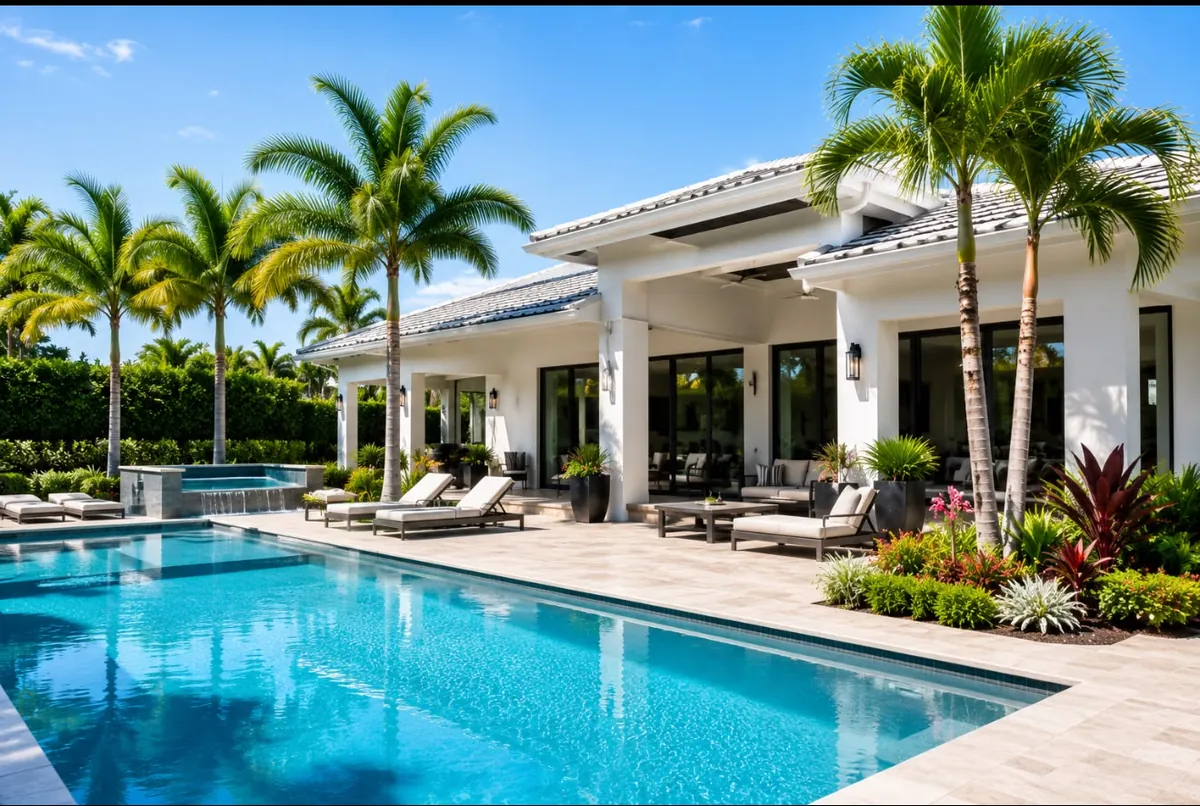
Pembroke Park is a small town, and much of its land is industrial. Its housing is modest in number and much of it is manufactured and mobile homes, set in parks and communities, alongside a smaller share of site-built houses. That makes it unlike most of Broward, where a roofer’s day is mostly tile and shingle on concrete block.
A manufactured home’s roof is built differently from a house’s. Many have metal roofs with long seams, some have a membrane or a roof-over system fitted on top of the original, and many carry attached carports, awnings and porch covers fixed to the home. They respond to sun and wind in their own ways, and not every roofer works on them. Telling One Call what kind of structure you have is the most useful thing you can do. It lets us match a roofer who knows it, rather than one who arrives expecting tile.
Roof problems we arrange help for in Pembroke Park
Leaks at seams and joints
Water coming in along metal roof seams, at the joint of a double-section home or where an addition ties in.
Vents, stacks and skylights
Leaks around plumbing vents, roof vents, skylights and air conditioning curbs, where the seal has failed.
Coatings and roof-overs
Worn roof coatings, and membrane or metal roof-over systems that have lifted, split or pulled loose.
Shingle and tile on houses
Lifted shingles and cracked tile on site-built homes, with the layers beneath checked.
Carports and awnings
Attached covers pulled loose by wind, and leaks where they join the home.
Storm damage records
Photos and a written description of wind damage, for you to give your insurer.
How a manufactured home roof differs
A site-built Florida house typically has a pitched roof of tile or shingle over plywood or board decking, on rafters or trusses. A manufactured home is different in several ways that matter for repair:
- Low pitch. Many have a shallow roof or a gently curved one, so water runs off slowly and sits at seams.
- Metal panels. Older homes in particular may have a metal roof with long seams that expand and contract in the heat.
- Light framing. The roof structure is lighter, so a roofer has to know where it can carry weight and where it cannot.
- Fasteners and seals. Screws and the washers under them work loose or dry out, and every one is a possible leak.
- Roof-overs. Some homes have a second roof built over the original: a new membrane, metal sheets or a framed pitched roof. These change how water runs and where leaks start.
All of this is why the match matters. A roofer used to manufactured homes knows how to walk the roof safely, what materials bond to it and how to seal a seam so it stays sealed.
Coatings and their limits
Many manufactured home roofs are kept watertight with a roof coating, a thick liquid layer rolled or sprayed over metal or membrane. Coatings reflect the sun and seal small gaps, but they wear thin, crack and peel with time. When they go, the metal or membrane beneath is exposed, rust starts, and seams begin to leak.
A roofer may recommend recoating, but a coating is only as good as the surface beneath it. Loose seams need fastening, rusted sections need treatment or replacement and any soft spots in the roof need repair before a coating goes on. Ask the roofer what the surface needs first. A coat over a problem can hide it for a season and then let it come back.
Heat, expansion and loose screws
A metal roof in Broward sun gets hot enough to burn a hand by midday and cools sharply in an afternoon storm. Every cycle, the panels grow and shrink a little, and they pull at the screws that hold them. Over the years, the screws back out, the rubber washers under their heads crack, and each loosened screw becomes a small hole. Rust then starts around it.
Many leaks on metal-roofed manufactured homes trace back to nothing more than this. A roofer tightens or replaces screws with new washers, seals the heads, and checks the seams and laps between panels where the same movement has opened a gap. When roof repair in Pembroke Park is booked for a metal roof, ask the roofer to check fasteners across the whole roof, not only above the stain. Others may be close behind.
The marriage line on double-section homes
A double-section or multi-section home is built in parts and joined on site. Along the join, the marriage line, the two roof halves meet under a cap or a strip of flashing. That joint moves as the home settles and as the sections expand and contract in the heat, and in time it opens. Water then runs along the join and appears in a hallway or a room in the middle of the home.
If your leak runs along the centre of the ceiling, mention it. It points the roofer straight to the marriage line. The repair usually means resealing or replacing the cap and the flashing, and checking the roof on either side.
Carports, awnings and porch covers
Attached covers are everywhere on manufactured homes: carports alongside, awnings over doors, porch roofs and screen rooms. They are usually aluminium or metal, fixed to the home along one edge. They catch wind from underneath as well as above, and in a storm they can lift and tear at the fixing, opening the main roof or wall where they were attached.
Leaks along that line are common. Water gets in at the fixing screws, behind the flashing, or where the cover was attached directly through the roof. If the cover itself has failed, it may be work for an aluminium or awning contractor rather than a roofer. Tell One Call what has happened, and we work out who should be sent.
Vents, air conditioners and skylights
A manufactured home roof is crossed by things that pass through it: plumbing vents, kitchen and bathroom exhausts, the furnace or water heater flue, roof-mounted air conditioners on some older homes, and skylights. Each opening is sealed with a flange, a boot or a curb, and those seals age faster than the roof around them.
Rooftop air conditioners deserve a mention. They are heavy, they vibrate, and their seal to the roof is a common leak point. Water can also come from the unit itself, as condensation, rather than from the roof. The roofer can tell which it is. If the unit has to come off for the roof beneath it to be repaired, that is a job for an air conditioning technician, and One Call can arrange both.
Walking a roof that is not built for it
A manufactured home roof is not designed to carry a person’s weight everywhere. The framing is lighter than a house’s and spaced differently, and stepping between supports can dent metal, crack a ceiling panel below, or push through softened decking. Roofers who do this work spread their weight on boards, step only on the supports, and keep off any area that feels soft.
That is one more reason to stay off the roof yourself, and one more reason to tell One Call the home is manufactured. Roof repair in Pembroke Park on a home like this goes best with a roofer who already knows where the roof will hold.
Site-built houses in town
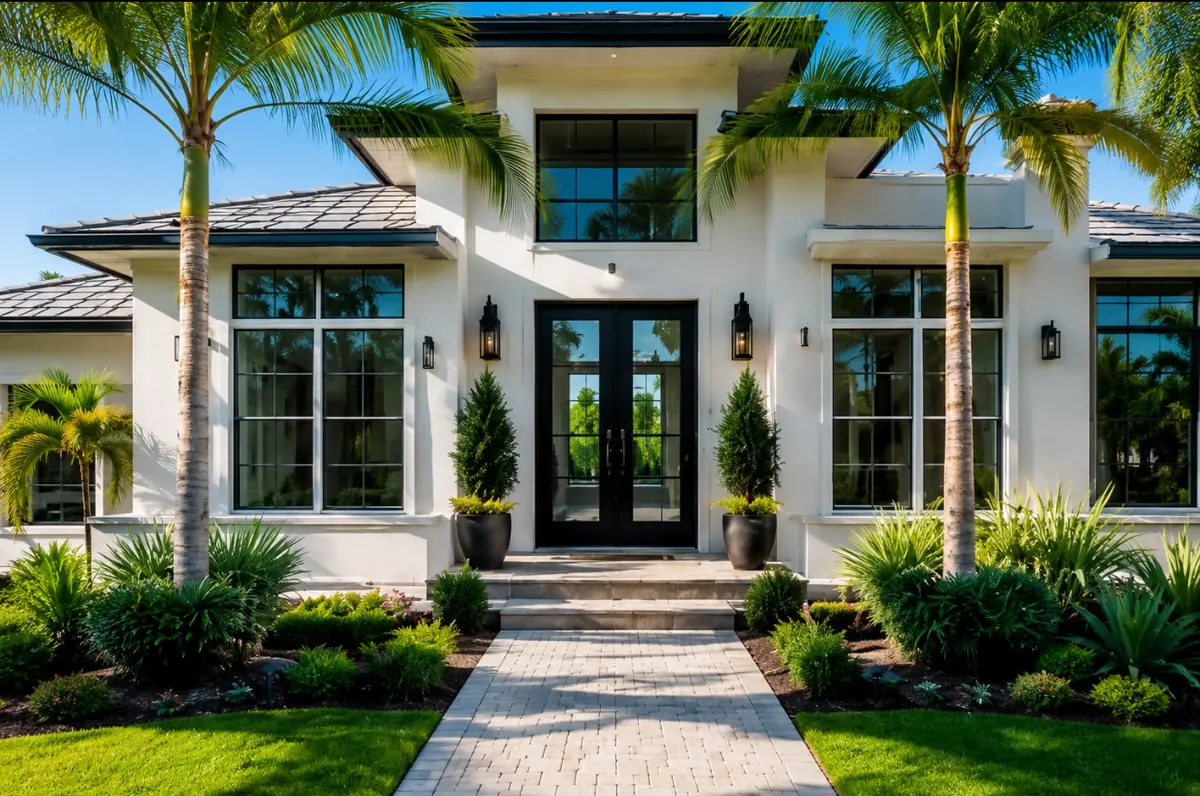
Pembroke Park also has site-built houses, and those have the familiar Broward roofs: concrete tile, asphalt shingle and flat sections over carports and additions. The problems are the familiar ones too:
- Cracked or slipped tile exposing the underlayment.
- Shingles lifted by wind or worn bare by sun.
- Flashing at walls and valleys lifted or rusted.
- Pipe boots cracked around plumbing vents.
- Rotted fascia and loose soffit at the eaves.
For roof repair in Pembroke Park on a house like this, the process is the same as anywhere in the county: the roofer traces the leak from inside, checks the roof above it, and repairs what has failed underneath as well as on top.
Flat roofs on workshops and small buildings
Industrial land and small businesses sit right alongside homes here, and many of those buildings have flat or low-slope roofs. So do some homes, garages and workshops. Flat roofs pond, seams open and drains clog. Flat roofs are part of the network’s work, and if you own a small building with a leaking roof, One Call can arrange that too. Tell us what the building is and what the roof is made of.
What to check before calling
From the ground and from inside, you can learn a lot without climbing anything. Manufactured home roofs in particular are not designed to be walked on by anyone who does not know where the supports are.
- Find every stain, drip or damp patch inside, and note which room and where in the room.
- Note whether the leak runs along the middle of the home, near a wall, or near a vent or skylight.
- From the ground, look for coating peeling, seams lifted, rust, and covers or awnings pulled away.
- Look at the edges of the roof for loose trim and gaps.
- Photograph what you find, with the date.
Give One Call those notes and tell us whether the home is manufactured, mobile or site-built. That one detail shapes the whole match.
Ceilings, insulation and soft spots
On a manufactured home, the ceiling sits close under the roof, and water reaches it quickly. Ceiling panels stain, sag and soften. Insulation beneath the roof soaks up water and holds it, which can rot the roof framing and the ceiling panels over time. A soft spot you can feel when you press gently on a ceiling, or a dip in the roof you can see from outside, means water has been getting in for a while.
Mention soft spots when you call. The roofer will check whether the framing beneath needs repair before any new roofing or coating goes on. Interior ceiling panel replacement is usually separate work, done once the roof is sound. Until then, keep a container under any drip, move belongings away from a sagging panel, and keep people from standing beneath it. A waterlogged ceiling panel can let go without much warning.
Wind and manufactured homes
Manufactured homes are lighter than block houses, and their roofs, covers and trim take wind differently. Metal roof panels lift at edges and seams, trim and caps blow off, and attached carports pull at the home. After a storm, once it is safe:
- Look for roof panels lifted at the edges or seams.
- Check that trim, caps and vent covers are still in place.
- Look at every attached cover, carport and awning, and at the place it joins the home.
- Gather up pieces of panel, trim or coating and hold on to them.
- Keep checking the ceilings for the next several days.
- Take pictures as you go, with the date on them.
Where the wind has torn a roof open, the roofer can lay a temporary tarp to keep water out until it is properly repaired. Do not climb onto the roof of a manufactured home after a storm. It may not take your weight where it has been damaged.
Parks, associations and paperwork
Many manufactured homes sit in parks or resident-owned communities, and those often have rules about contractors: who can enter, when work can happen, sometimes approval for exterior changes. Check with your park office or association before work begins. If your community has an association that wants a contractor’s insurance certificate or approval forms, One Call can send those for you. If the park office has its own requirements, ask them what they need and tell One Call.
Insurance
Policies for manufactured homes can differ from homeowner policies on site-built houses, especially for wind and for attached structures like carports. Read yours before you claim. Whether and how to claim is your decision with your insurer. The roofer’s part is the paper trail: pictures from the roof, and a plain account of what the wind did and what the repair put back. Store it with your own dated pictures.
Permits
Roof work in Broward County falls under strict wind standards, as the county lies inside the High-Velocity Hurricane Zone. Roof repair in Pembroke Park beyond a minor fix needs a permit, and the licensed roofer applies for it. Manufactured homes can have their own rules for roof-overs and structural work. Ask the roofer what applies to your home before the job starts.
When a repair is not enough
Some older roofs, on manufactured homes and site-built houses alike, reach a point where patching cannot keep up. The roofer will say so and show you why. Complete replacement is available through the same network, and on a manufactured home a roof-over is sometimes the better answer. Financing is on offer for the bigger jobs, so raise it when you phone.
How One Call handles it
- Ring One Call, or send the quote request, and describe the leak and the structure: manufactured, mobile or site-built, and the roof type if you know it.
- You mention any park or association rules.
- One Call chooses a roofer from its vetted network, licensed and insured, who regularly works on your kind of roof.
- The roofer looks the roof over and explains the fault and the fix. Find out what the price includes before you say yes.
- The repair is done, with a permit where needed.
- If the leak returns, tell One Call and we take it up with the roofer.
Money goes one way only: you pay One Call, and One Call settles with the roofer. One company, start to finish.
For a home just over the town line, see the West Park roof repair page or the Hallandale Beach roof repair page.
Questions from Pembroke Park
Can a roofer repair the roof on my manufactured home?
Tell One Call it is a manufactured or mobile home when you call. Not every roofer works on them, and we match with that in mind.
The leak runs along the middle of my ceiling. Why?
On a double-section home that usually points to the marriage line, where the two roof halves join. The seal there opens as the home moves, and water follows the join.
Will a new coating stop my leak?
Only if the surface under it is sound. Loose seams, rust and soft spots need repair first. Ask the roofer what the roof needs before any coating goes on.
Is my carport a roofing job?
The joint where it meets your home often is. A carport or awning that has failed itself may need an aluminium contractor. Describe what happened and One Call works out who to send.
Arrange the repair
Tell One Call what is leaking and what kind of home or building it is. We match you with a vetted, licensed roofer who knows that roof and stay with the job from the first call.